
 Ank kumar · CC BY-SA 4.0
Tottenham equalise late to draw 1-1 at Manchester United with ten men
Premier League
The argument is that the achievements of 2009-10 to 2017-18 cannot be read in isolation, and that the Premier League itself could be damaged by the aftermath.
 Ardfern · CC BY-SA 4.0
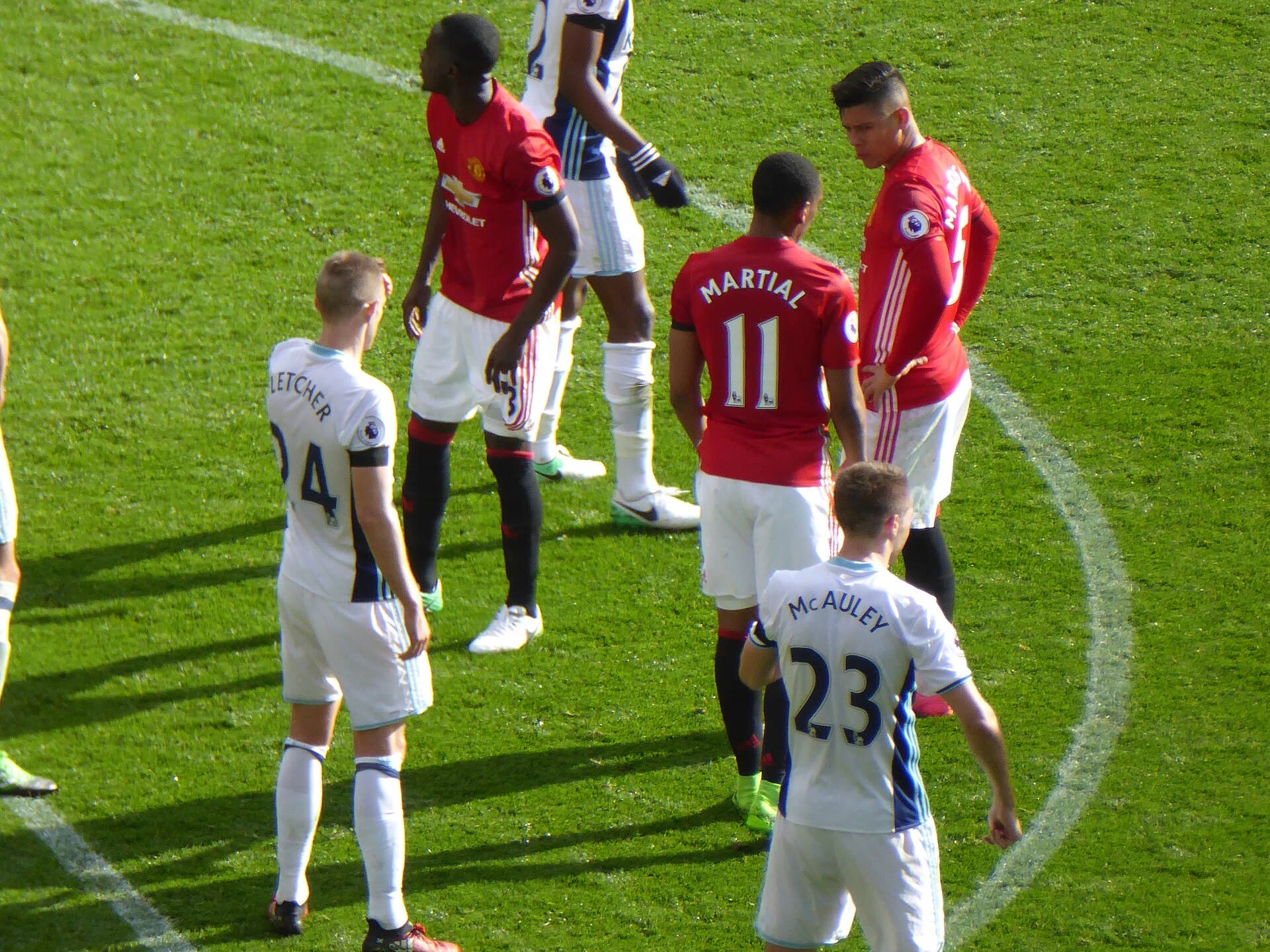
A guilty verdict against Manchester City has opened a debate about what the club's era of success now means and how far the consequences will reach. An analysis published on Sunday argues the fallout could be profound, for the club and for the Premier League itself.
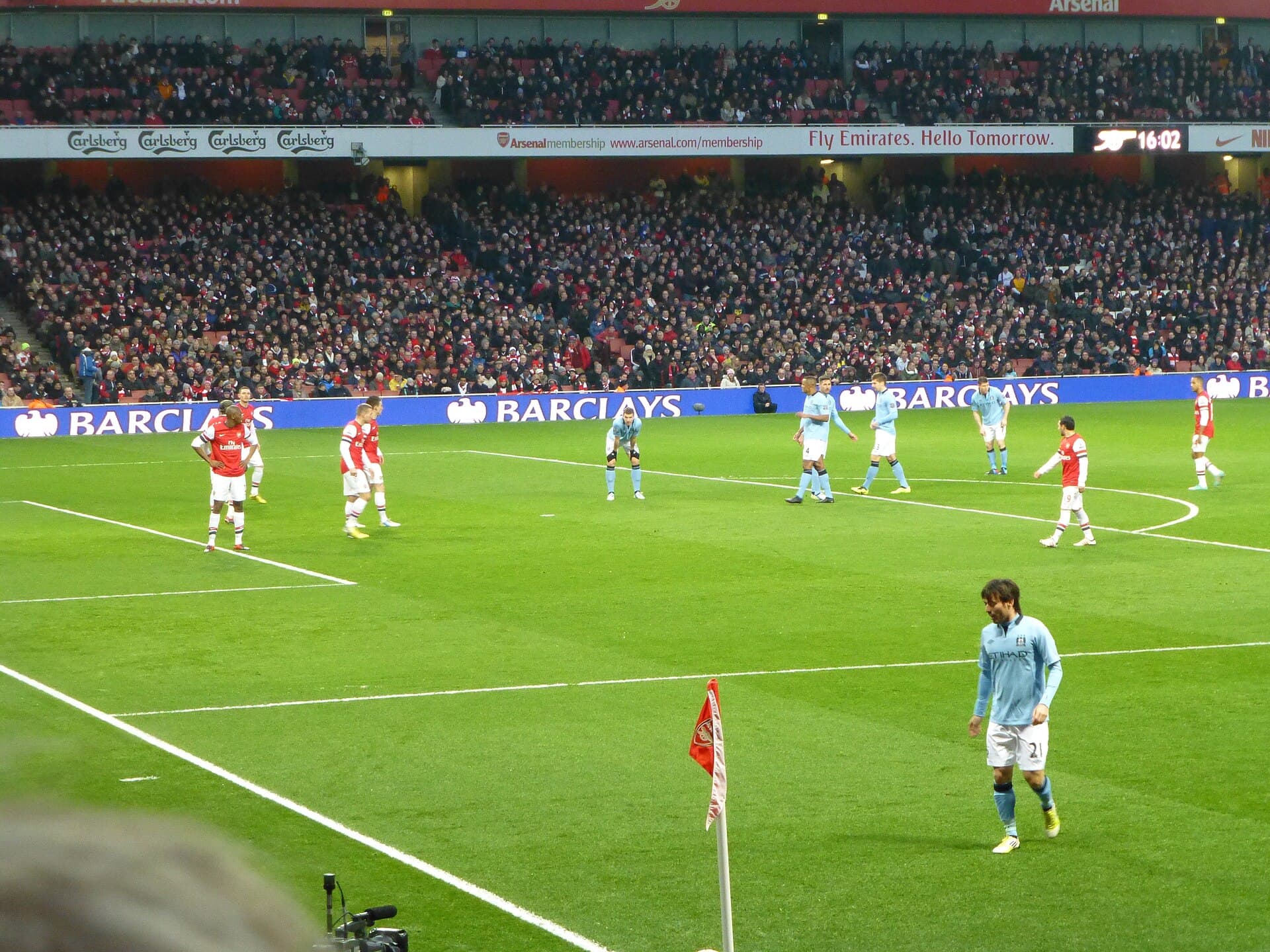
The central claim is that City's achievements between 2009-10 and 2017-18 cannot be assessed in isolation. On that reading, the results of that period — the six-goal win at Old Trafford, the 94th-minute goal that clinched the 2012 title, the 100-point season — are what made everything afterwards possible. Without them, the argument runs, there would have been no platform for the 14 consecutive wins that carried the club to the 2018-19 league title, for the Treble in 2023, or for four successive championships.
For rival clubs and their supporters, the verdict reopens an argument about how the past decade and a half of English football should be remembered. For City, the immediate question is narrower: what the verdict costs the club, and how it responds.
 Countessluann · CC BY-SA 4.0
The analysis does not stop at the club. It argues the league could be damaged by the aftermath, because a verdict of this kind raises questions about the conditions in which the competition was run. That is an argument rather than a settled finding, and it will be tested by what the league and its clubs do next.
 Hainotdeptrai · CC0
The historical parallel offered is 1906, when the club took 30 years to recover from a guilty verdict, according to the analysis. The point is not that history repeats. It is that supporters may already understand how long the consequences of a verdict can last — a warning, presented as such, rather than a forecast.
Thirty-five of the charges the club faces relate to a failure to cooperate with Premier League investigations between 2018 and 2023, the analysis notes. That places part of the case in how the club dealt with the league's inquiries, rather than only in what those inquiries concerned. The club has not commented publicly on the verdict.
What happens next will be shaped by decisions that have not been made public: the club's response, any appeal and any sanction. Until then, the debate has moved past the verdict itself to its reach — into the record books, into the league's own reputation and into the seasons still to come.
Ank kumar · CC BY-SA 4.0 Ank kumar · CC BY-SA 4.0
 wonker · CC BY 2.0
 Ank kumar · CC BY-SA 4.0