 中国新闻社 · CC BY 3.0
Thomas Tuchel faces goalkeeper call and the Lamine Yamal problem
Defensive selection is framed as the decisive factor for Tuchel's side against the strongest opponent in the game, with the No 1 shirt also unsettled.
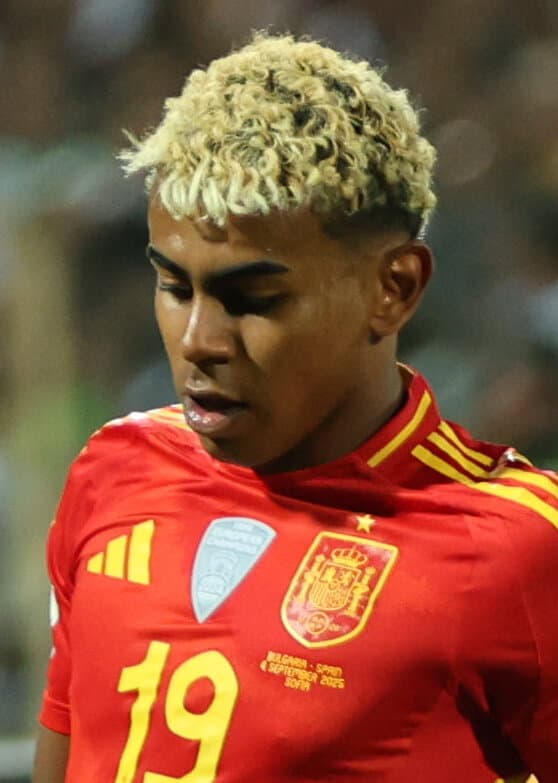 Biso · CC BY 4.0
Thomas Tuchel has two linked selection problems to settle before his side meet the team billed as the best in world football: who plays in goal, and how his defence copes with Lamine Yamal. Both were raised on 14 November 2026 as the central questions of his preparation. Neither has been answered publicly, no starting eleven has been released, and Tuchel has not explained his reasoning.
The point is not simply that a coach has choices. It is that the defensive ones are presented as decisive. Against an opponent of that level, one misjudged call — a full-back left alone, a centre-back pairing without the right blend of pace and anticipation — can settle a fixture before the attacking plan comes into it. That is an assessment of the fixture rather than a statement from anyone inside the camp, but the logic is hard to argue with.
2025/26

Season 2025/26
The goalkeeper question
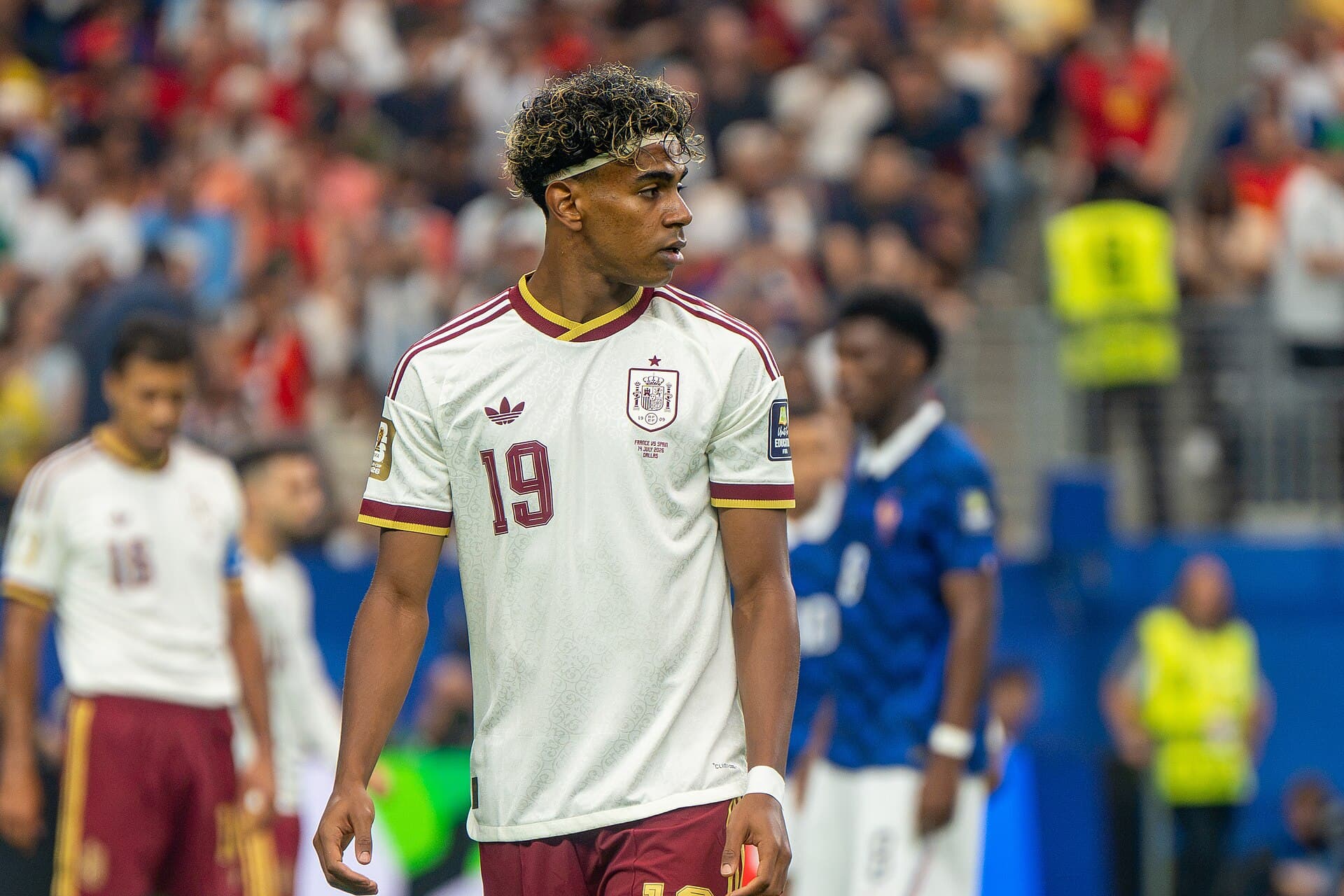
 Bryan Berlin · CC BY-SA 4.0
A change of first-choice goalkeeper is the most disruptive call available to a coach. It is different from swapping an outfield player: it alters how deep the back line sits, how far it pushes up, and how willingly it plays out under pressure. It is also the decision hardest to undo mid-match without advertising that it was wrong. Tuchel has given no indication of his preference, and it is not known whether the incumbent is being questioned over form or whether an alternative has simply made a case.
The knock-on effects run in both directions. A goalkeeper who wants the ball at his feet invites a higher line and shorter distribution; a goalkeeper who prefers to go long invites a deeper, more cautious defence. Whichever way Tuchel leans, the defenders in front of him have to be picked to suit it.
How to stop Lamine Yamal
 Bryan Berlin · CC BY-SA 4.0
Yamal is named as the threat Tuchel's plan must answer. Containing a wide forward of that profile normally comes down to two broad options. The first is to double up on his side, pulling a midfielder across to help the full-back and accepting that space opens elsewhere. The second is to station a specialist defender against him and accept that he will spend periods isolated one against one, betting that the defender wins enough of those duels.
Both are defensible; both carry a cost. A third route exists — changing the shape rather than the personnel, so that the wide defender is protected structurally. Which of the three Tuchel favours has not been disclosed, and there is no indication of whether Yamal's own availability is in any doubt.
Why the defensive calls carry the most risk
Defensive selections are harder to hide than attacking ones. A forward picked out of position can be moved, replaced or simply bypassed. A defence that has not played together, or a goalkeeper operating behind a new centre-back pairing, is exposed from the first minute, before anyone has had a chance to correct it. Tuchel's difficulty is that his two decisions are not independent: the goalkeeper constrains the defenders, and the defenders constrain what he can ask of the goalkeeper.
What has not been established
Several basics remain open. No goalkeeper has been named. No back line has been named. No member of Tuchel's staff has explained how the side intends to limit Yamal, and the fixture's venue and status have not been confirmed. None of that is unusual — coaches routinely withhold team news until the deadline, and Tuchel is entitled to keep his thinking private — but the questions are sharper than normal because the opponent is unusually strong and the decisions are connected.
What happens next is clear in outline and vague in detail. A team sheet will settle the personnel without explaining the reasoning behind it. The more revealing signal will come in the opening quarter of the match: whether the full-back on Yamal's side is left exposed, and whether the goalkeeper is asked to play short while under pressure. Those details will show which option Tuchel actually took, and whether the argument that defence decides this fixture holds up.
Frequently asked questions
- Who will start in goal for Thomas Tuchel's side?
- No goalkeeper has been named. Tuchel has not commented on the position, so it is unknown whether he will keep his current first choice or change it for this fixture.
- Why is Lamine Yamal central to Tuchel's planning?
- Yamal is identified as the attacking threat that Tuchel's defensive selection has to answer, which makes the choice of full-back and the level of midfield cover the pivotal call.
- Has Thomas Tuchel confirmed his starting eleven?
- No. No team sheet has been released and no member of his staff has explained the selection, so every position remains formally open.
Related stories
中国新闻社 · CC BY 3.0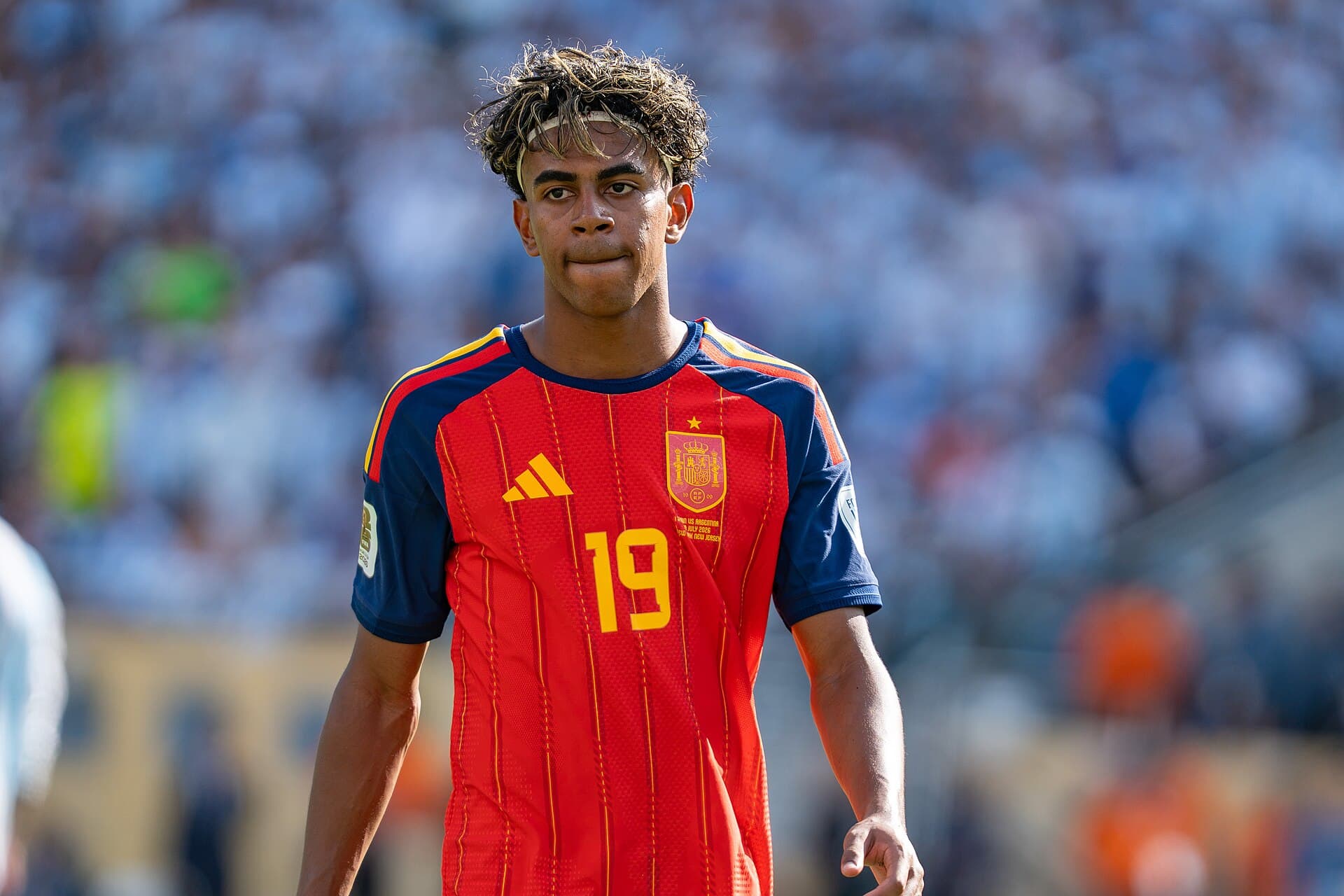 Bryan Berlin · CC BY-SA 4.0
Lamine Yamal tipped for multiple Ballon d'Ors by Spain coach Luis de la Fuente
 Bryan Berlin · CC BY-SA 4.0
Football's class of 2021, five years on: early breakthroughs do not guarantee long careers
Premier League
 Hossein Zohrevand · CC BY 4.0